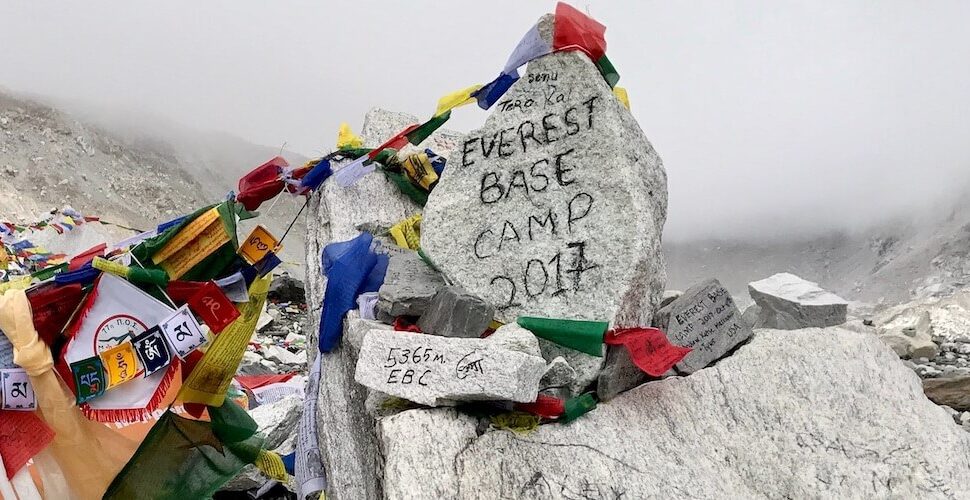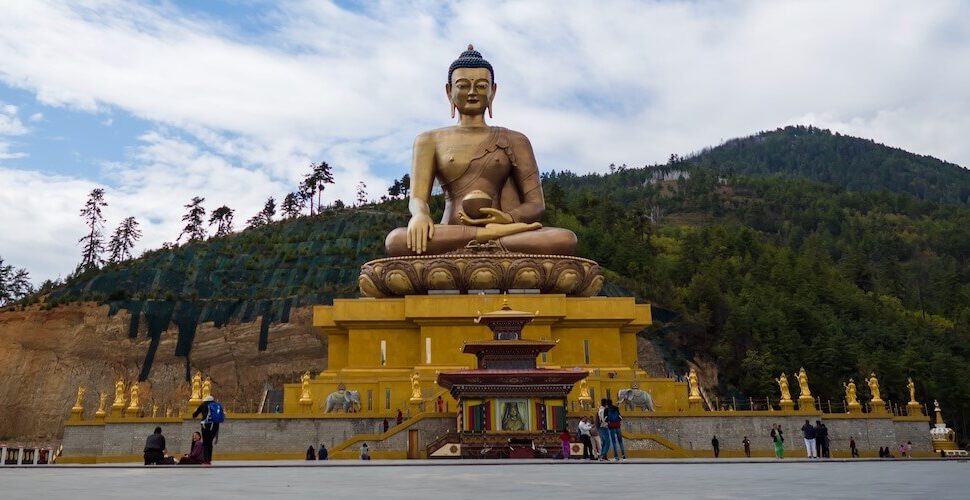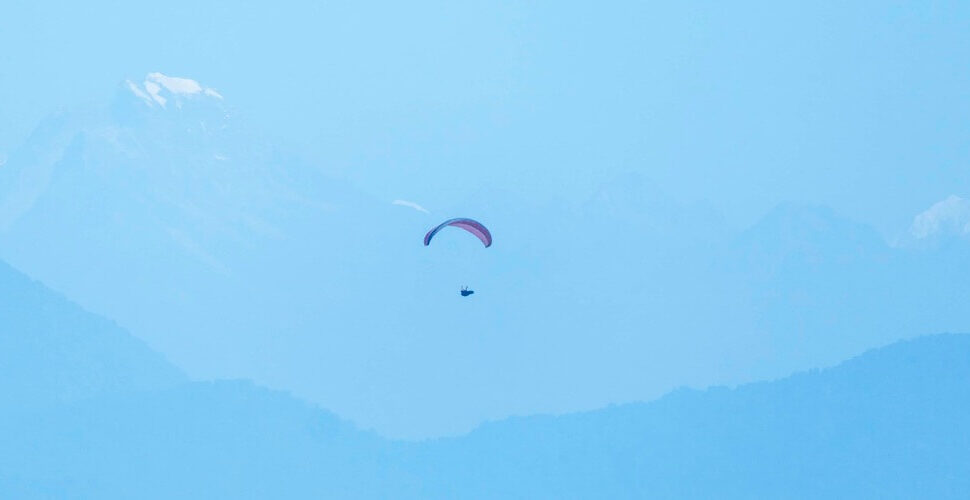
Traveling from Europe to India is more than just a holiday — it is an experience filled with history, spirituality, food, nature, and unforgettable human connections. From the snowy peaks of the Himalayas to the tropical beaches of Goa, India offers European travelers a completely different world full of contrasts and discoveries.
Why Visit India?
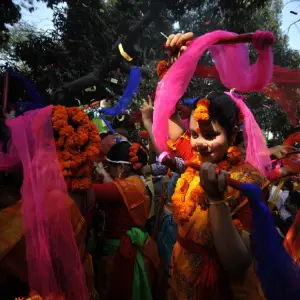
India attracts millions of travelers every year because it offers something for everyone:
- Ancient temples and historical monuments
- Vibrant cities and peaceful villages
- Delicious street food and luxury dining
- Mountains, deserts, jungles, and beaches
- Spiritual retreats and yoga centers
- Affordable travel compared to many European destinations
Whether you are a backpacker, digital nomad, photographer, or luxury traveler, India can match your travel style.
Best Time to Travel
The ideal time to visit most parts of India is between October and March. During these months, the weather is cooler and more comfortable for sightseeing..
Seasonal Overview
- Winter (October–March): Best for tourism
- Summer (April–June): Very hot in many regions
- Monsoon (June–September): Heavy rain but beautiful green landscapes
If you want to visit the Himalayas, summer can actually be a great time.
Popular Destinations in India
New Delhi – The Historic Capital
The capital city combines old Mughal architecture with modern urban life. Visit markets, street food areas, and historical landmarks.
Taj Mahal – The Symbol of Love
One of the most famous landmarks in the world, the Taj Mahal is a must-see destination for first-time visitors.
Goa – Beaches and Nightlife
Goa is famous for its beaches, seafood, relaxed lifestyle, and Portuguese influence.
Jaipur – The Pink City
Known for royal palaces, forts, and colorful markets, Jaipur is perfect for cultural exploration.
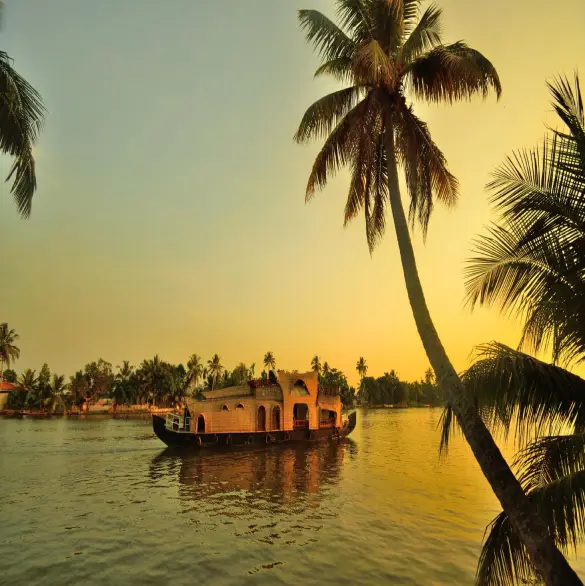
Kerala – Nature and Relaxation
Kerala offers backwaters, tea plantations, Ayurvedic wellness, and tropical beauty.
Visa and Travel Requirements
Most European travelers need an e-Visa before entering India. The online process is usually straightforward and allows short-term tourism visits.
Make sure your passport:
- Is valid for at least 6 months
- Has blank pages available
- Matches your visa information exactly
Travel insurance is also highly recommended.
Food and Culture
Indian food is incredibly diverse. Every region has its own flavors and specialties.
Popular dishes include:
- Butter chicken
- Biryani
- Masala dosa
- Tandoori dishes
- Paneer curries
- Mango lassi
European travelers should start carefully with spicy street food and drink bottled water to avoid stomach problems.
Indian culture is deeply rooted in traditions, family values, and hospitality. Respect local customs, especially when visiting temples or religious places.
Transportation in India
India has many transportation options:
- Domestic flights for long distances
- Trains for scenic and affordable travel
- Tuk-tuks and taxis in cities
- Metro systems in major urban areas
Train journeys are a unique Indian experience and a great way to meet locals.
Budget for European Travelers
India can be very affordable compared to Europe.
Budget Traveler
- €20–€40 per day
Mid-Range Traveler
- €50–€120 per day
Luxury Traveler
- €200+ per day
Accommodation ranges from backpacker hostels to world-class luxury hotels.
Safety Tips
India is generally safe for tourists, but travelers should:
- Avoid isolated areas at night
- Keep valuables secure
- Use trusted transportation apps
- Dress respectfully in traditional areas
- Stay aware in crowded places
Solo travelers, including women, often travel successfully across India with proper planning and awareness.
Final Thoughts
Traveling to India from Europe is a life-changing adventure. The country can feel chaotic, exciting, spiritual, and overwhelming — sometimes all at once. But for many travelers, India becomes one of the most memorable destinations they ever visit.
If you are open-minded, curious, and ready for something different, India will reward you with experiences you will never forget.